A look into the African big 5
Home > Posts > Blog > A look into the African big 5
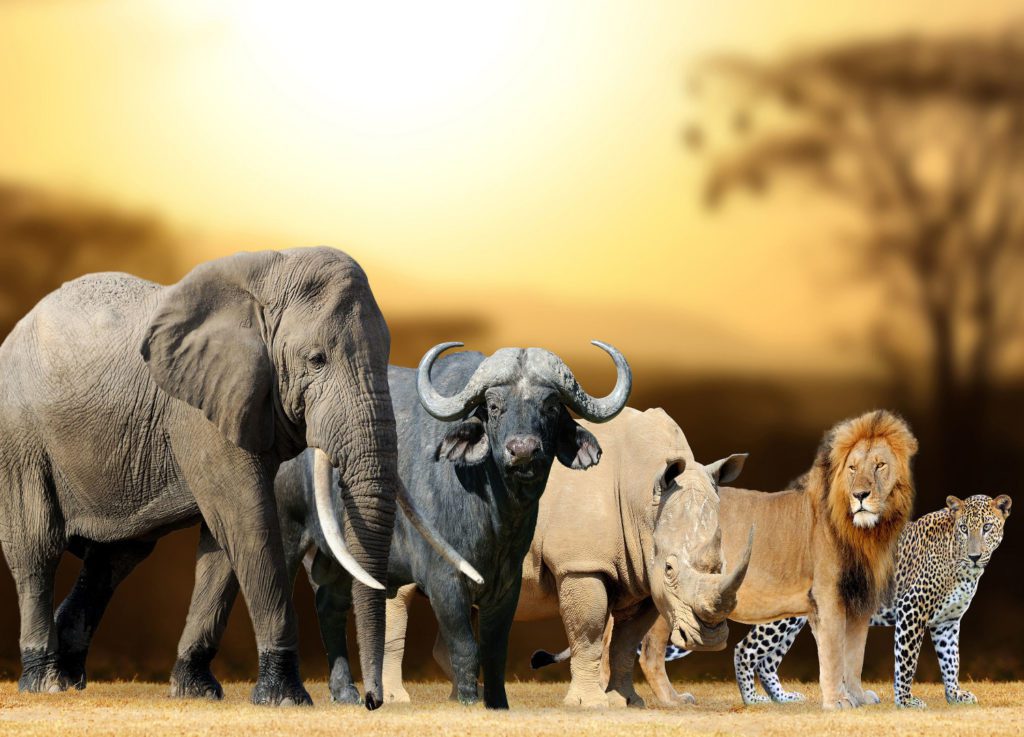
The term "African Big Five" refers to five of the most iconic and sought-after animals to see on a safari in Africa. These species are renowned not only for their size and power but also for their historical significance in hunting and conservation. The best parks to see the big 5 include Masai Mara National Reserve, Tsavo East and West National Parks, and Amboseli National Park.
1. African Lion: Known as the "king of the jungle," the African lion is the only member of the Big Five that lives in social groups called prides. Lions are majestic predators with males distinguished by their impressive manes. They inhabit savannahs, grasslands, and open woodlands, primarily in eastern and southern Africa. Despite their grandeur, lions face threats from habitat loss and human-wildlife conflict, making conservation efforts crucial.
2. African Elephant: The African elephant is the largest land mammal, recognized for its large ears, long trunks, and tusks. There are two subspecies: the African bush elephant and the smaller forest elephant. Elephants are essential to their ecosystems, as their feeding habits help maintain the balance of vegetation and create waterholes. However, they are endangered due to poaching for ivory and habitat destruction.
3. African Buffalo: Often referred to as the Cape buffalo, this animal is known for its formidable horns and robust build. Unlike the other members of the Big Five, buffaloes are herd animals and can be quite dangerous when threatened. They live in various habitats, including savannahs and rainforests. Despite their tough exterior, buffaloes face threats from diseases and habitat loss.
4. Leopard: Leopards are elusive and solitary big cats known for their beautiful spotted coats and incredible climbing abilities. They are adaptable and can live in various habitats, from savannahs to rainforests. Leopards are powerful hunters, often seen dragging their prey up trees to avoid scavengers. They are currently listed as vulnerable due to habitat loss and poaching.
5. Rhinoceros: The African rhino is represented by two species: the black rhino and the white rhino. Both species are distinguished by their large size, thick skin, and horns. Black rhinos are more solitary and have a hooked-shaped upper lip adapted for browsing shrubs, while white rhinos are larger and have square-shaped lips suited for grazing grass. Poaching for rhino horn and habitat destruction have pushed both species towards critical endangerment.
These five animals are not only symbols of Africa's wildlife heritage but also highlight the ongoing need for conservation efforts to protect them from threats and ensure their survival for future generations.