Best Time to Visit Kenya for Wildlife Safaris: A Complete Guide for Budget Travelers
Home > Posts > Blog > Best Time to Visit Kenya for Wildlife Safaris: A Complete Guide for Budget Travelers
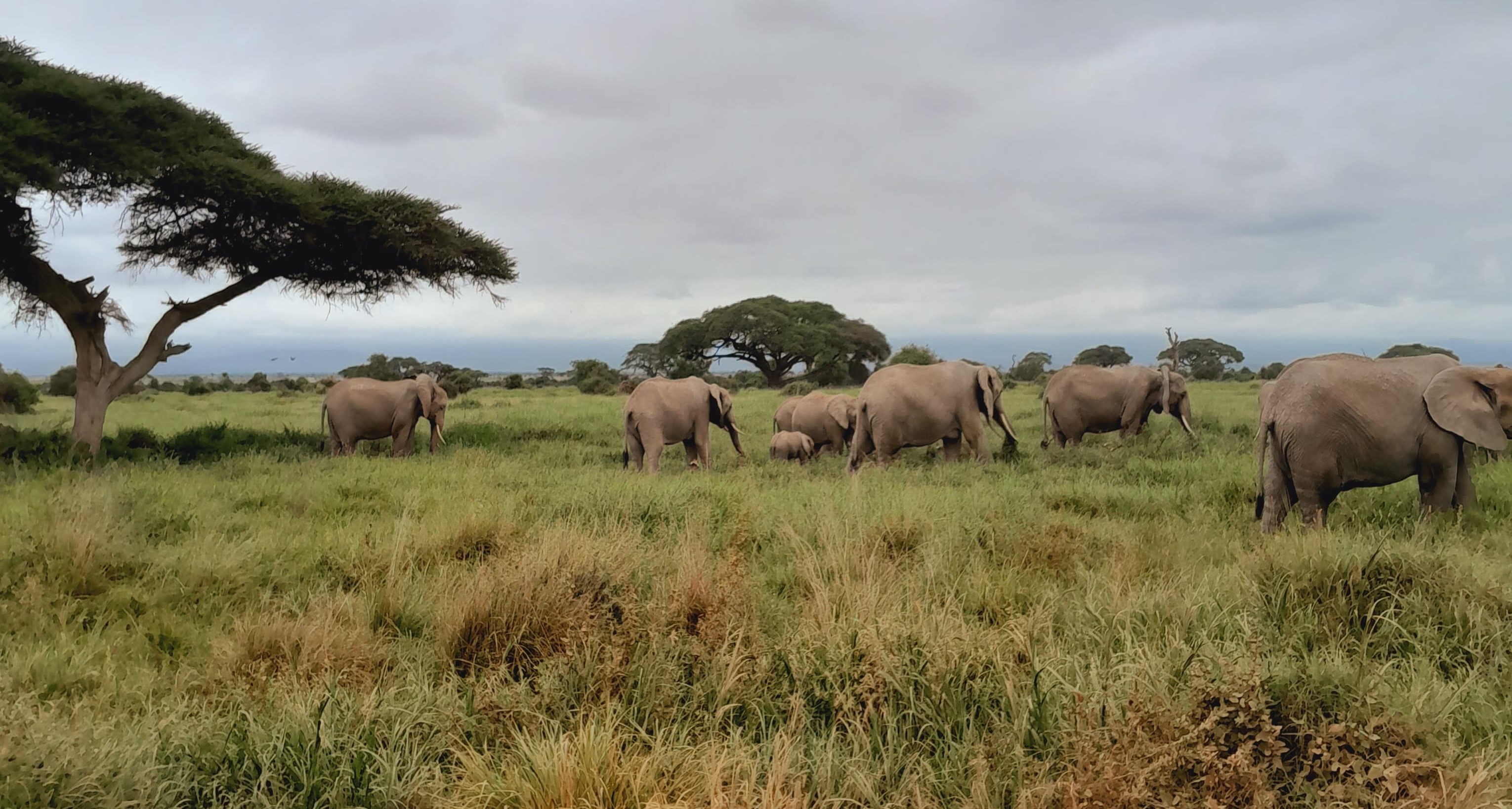
Planning a safari in Kenya? Discover the best time to visit for wildlife, avoiding crowds, and saving on costs. Explore the ideal seasons and hidden gems for an unforgettable experience!
Kenya and East Africa are renowned for their breathtaking wildlife and stunning beaches. Whether you're an avid wildlife enthusiast or a beach lover, the region offers a little something for everyone. Home to the Big Five and other unique species like the "Ugly Five," Kenya is a dream destination for many. The country also boasts diverse accommodations, from budget hostels to luxury hotels, in the cities, rural areas, bushes, and the spectacular coastline.
However, while many visitors have unforgettable experiences, some face challenges. Rainy weather, crowded parks, and high tourist traffic can detract from the safari experience. In this guide, we’ll explore the best time to visit Kenya to ensure a memorable trip, from game drives to serene beaches—all while staying on budget.
Why Timing Matters for Your Safari in Kenya:
To get the most out of your Kenyan safari, timing is everything. Two main factors affect the safari experience: rain patterns and the tourism period. Let's break down both to help you plan your trip.
Rain Patterns and Their Impact on Safari Experiences:
Kenya experiences two major rainy seasons: long rains (April to May) and short rains (October to December). While the rainy seasons can provide lush landscapes, they also bring challenges.
- Long Rains (April to May): These months are characterized by heavy rains, which can make park roads muddy and challenging to navigate. Game drives may be unsafe, and some activities may be inaccessible. However, wildlife is still abundant, and the fresh greenery offers excellent photo opportunities for nature enthusiasts.
- Short Rains (October to December): This period is less intense than the long rains, but roads can still be tricky. While the weather can be unpredictable, the benefit of traveling during the short rains is the reduced number of tourists, giving you a quieter and more intimate experience with nature.
Despite the weather challenges, rainy seasons can offer unique opportunities, such as easier animal spotting due to fresh vegetation and fewer crowds.
Peak Tourism Periods and the Great Wildebeest Migration:
The most popular time to visit Kenya is during the Great Wildebeest Migration, which typically takes place between July and October. During this period, millions of wildebeests, zebras, and other herbivores move from the Masai Mara National Reserve in Kenya to the Serengeti National Park in Tanzania. This annual event draws large crowds and higher prices.
- Pros: The migration is a spectacle, with dramatic scenes of herds crossing rivers and big cats hunting. It's the ideal time to experience Africa’s wildlife in full action.
- Cons: The influx of tourists can lead to crowded parks, higher accommodation costs, and limited availability for game drives. The crowded parks are a huge issue, especially for wildlife like big cats who are less likely to reproduce under stress.
Best Time for Budget-Friendly Safaris and Less Crowded Parks:
If you want to enjoy wildlife without the high costs and crowds of peak season, February and June are ideal months to visit Kenya. These months fall during the dry season, providing excellent opportunities for game viewing and budget-friendly travel.
- February: Known as the prime calving season for many herbivores, this time of year is perfect for watching big cats in action. With the increased availability of prey, lions, leopards, and cheetahs are more active, making for thrilling game drives. The lower number of tourists and reduced costs for park entry, vehicle hire, and accommodations make February a fantastic time to visit.
- June: As the dry season begins, animals congregate around watering holes and pastures, making them easier to spot. June offers a sweet spot just before the high season, allowing you to experience Kenya’s wildlife at a lower cost and without the typical tourist rush.
Alternatives to the Masai Mara: Lesser-Known Parks to Explore:
If you prefer a quieter safari experience, consider visiting lesser-known parks that offer a similar wildlife experience without the crowds.
- Tsavo East & Tsavo West: These two vast parks are home to diverse wildlife and stunning landscapes. Tsavo offers excellent safari experiences at more affordable prices, with fewer tourists compared to the Masai Mara.
- Chyulu Hills National Park: Known for its breathtaking views of Mount Kilimanjaro and its diverse ecosystems, Chyulu Hills offers a tranquil and unique safari experience.
- Samburu National Reserve: Located in northern Kenya, Samburu is famous for its unique species such as the Grevy’s zebra and the Somali ostrich. The park is less crowded and offers a more intimate safari experience.
Traveling During the High Season? Here’s How to Make the Most of It:
If you plan to travel during the peak season, spending a few nights in Masai Mara can be a great choice for experiencing the Great Wildebeest Migration. However, it’s also smart to dedicate the rest of your trip to visiting quieter parks. This strategy allows you to avoid the crowds and enjoy a more serene experience while still seeing incredible wildlife.
By planning your trip around the right time, you can avoid the crowds, reduce costs, and still enjoy everything the country has to offer.
If you’re looking for the perfect time to visit Kenya on a budget, aim for February or June for a quieter, more affordable experience. For a true adventure, consider venturing beyond the popular parks and exploring hidden gems like Tsavo East, Tsavo West, and Samburu. Regardless of when you visit, Kenya promises an unforgettable journey.
Ready to plan your African adventure? Book your safari with Africa Unlocked Tours and Travel today and experience the magic of Kenya at its finest.